

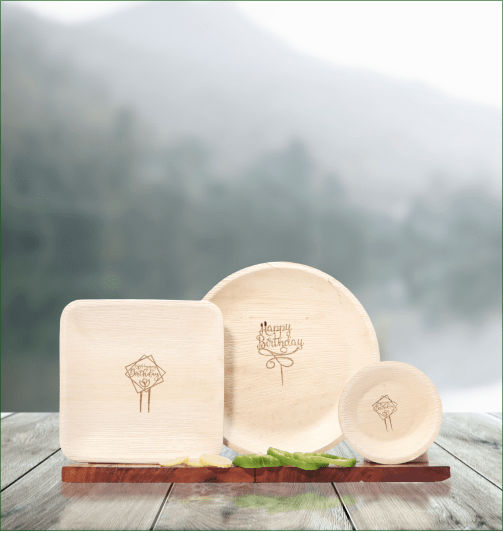
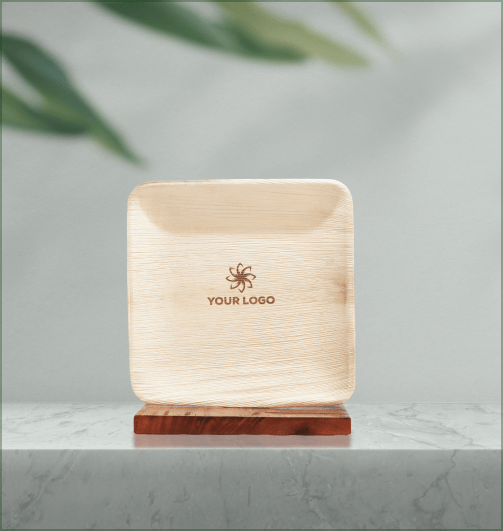
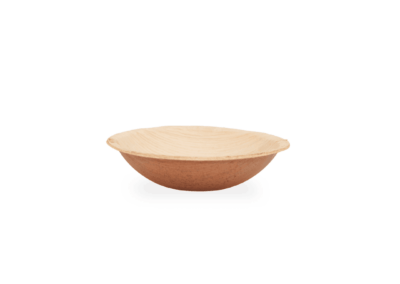
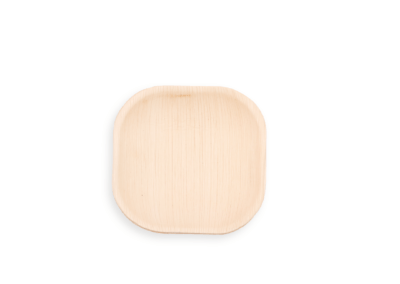
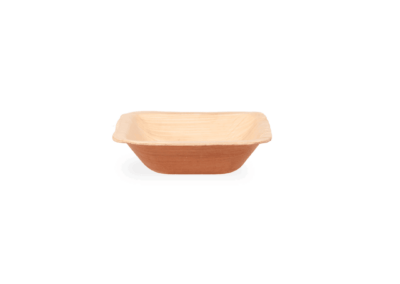
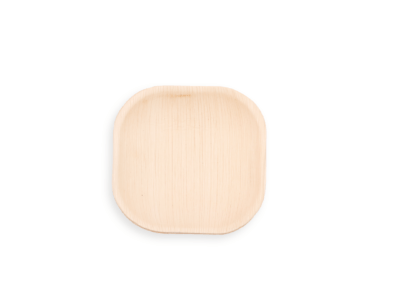
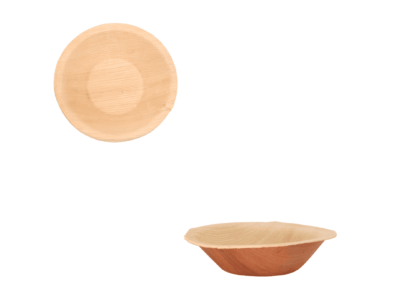
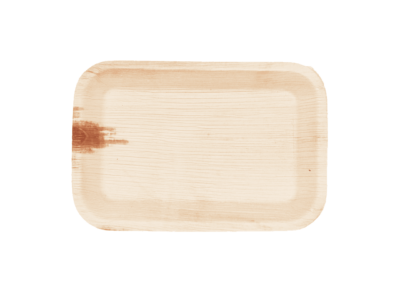
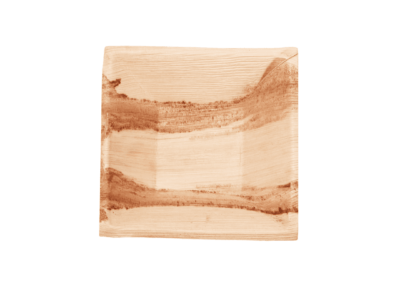
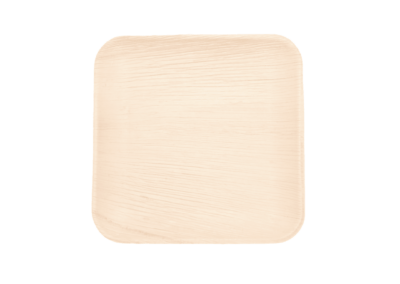
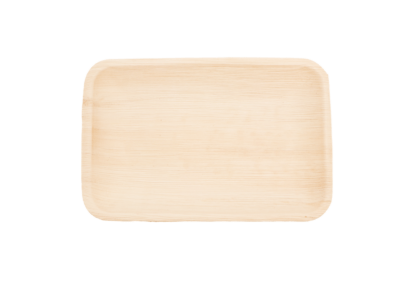
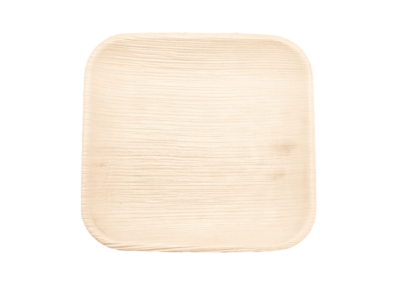
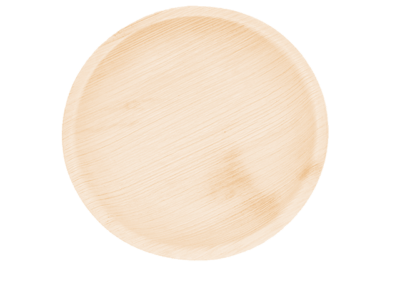
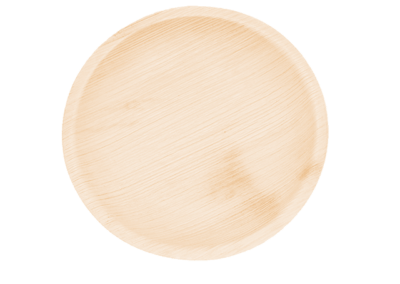
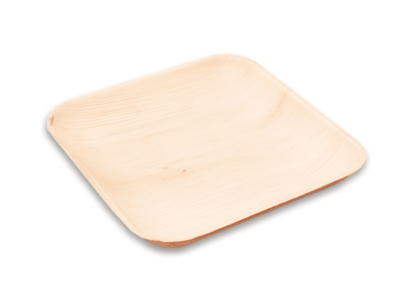
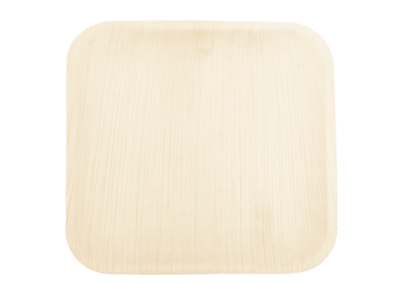
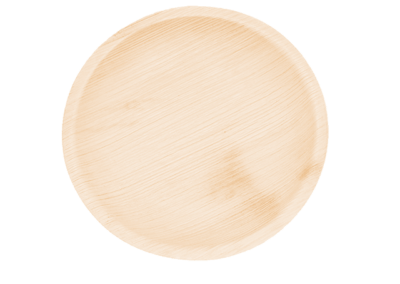
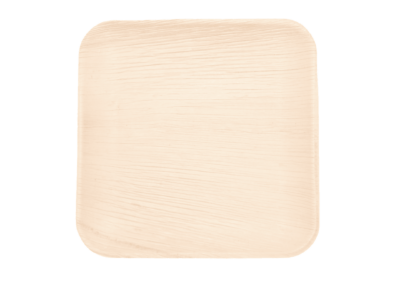

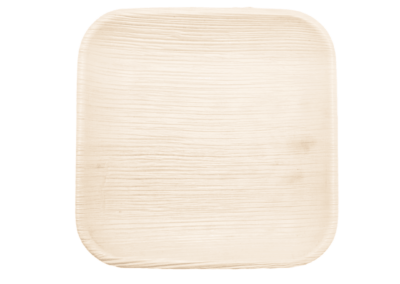
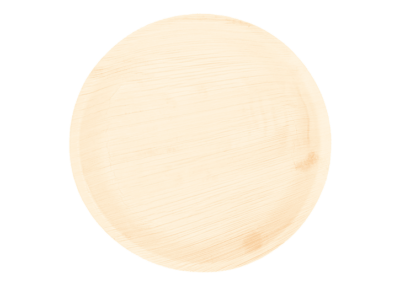
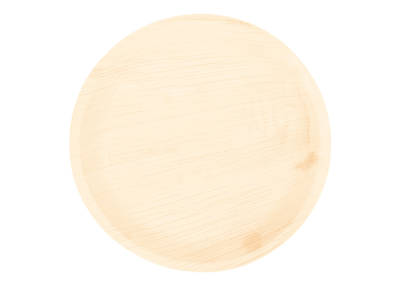
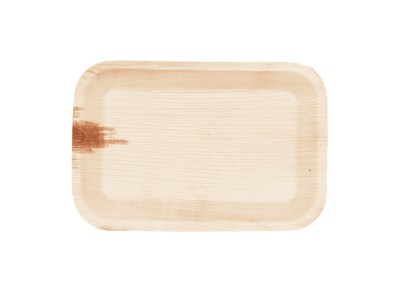
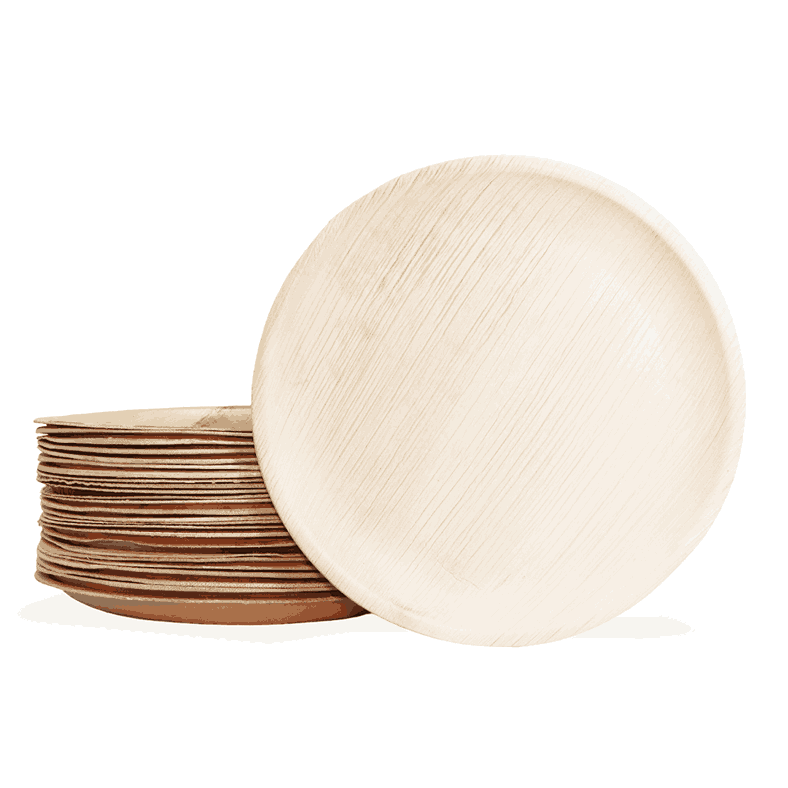
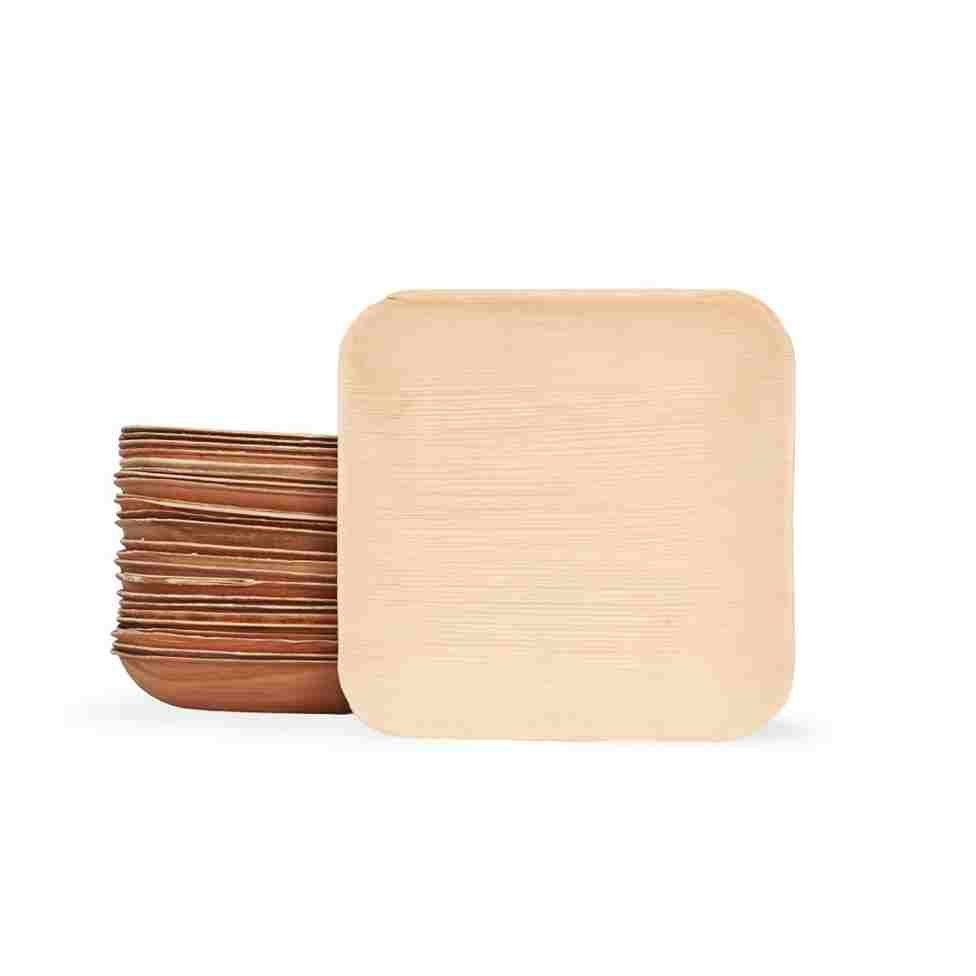
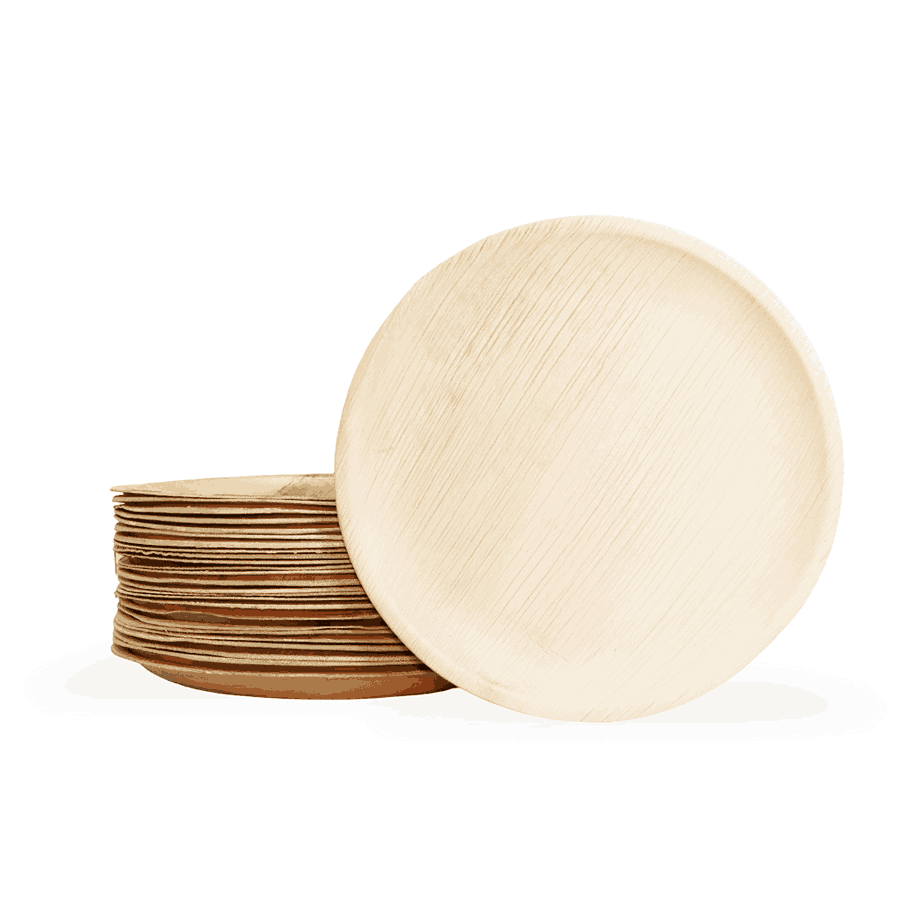
Palm leaf plates are eco-friendly disposable plates made from naturally fallen palm leaves. They are crafted by collecting and sanitizing the shed leaves of the Areca palm tree, which typically grows in tropical regions like India and Southeast Asia. These plates offer a sustainable alternative to traditional disposable tableware made from plastic or paper. The process of making palm leaf plates involves minimal environmental impact as it does not require cutting down trees or using chemicals. The leaves are thoroughly cleaned, sanitized, and then pressed into various plate shapes using heat and pressure. No chemicals or additives are used in the production process, making the plates biodegradable and compostable
While palm leaf products are designed for only one-time use, their durability often leads customers to explore reuse options. Many find it challenging to discard these sturdy plates and bowls after just a single use, particularly when they have been used with non-sticky or non-greasy foods. In such cases, customers have reported success in wiping clean or washing the plates and bowls, allowing them to be dried and reused. This unexpected versatility underscores the practicality of palm leaf products and their potential to minimize waste. However, it’s crucial to emphasize that proper cleaning and inspection for damage are essential steps to ensure food safety and maintain product integrity. While palm leaf products may withstand multiple uses under certain conditions, customers should exercise caution and avoid reusing plates that show signs of wear or contamination. Ultimately, while the primary intent of palm leaf products is single-use, their resilience presents an opportunity for environmentally conscious consumers to extend their lifespan through careful handling and reuse
Yes, the composting process for palm leaf plates typically takes between 6 and 8 weeks to complete. During this time, the palm leaf plates will gradually break down into organic matter, facilitated by microbial activity in the composting environment. Factors such as temperature, moisture levels, and the presence of oxygen can affect the speed of decomposition. However, under optimal composting conditions, palm leaf plates will fully decompose within this timeframe, ultimately contributing valuable nutrients to the compost that can be used to enrich soil for plant growth. This relatively short composting period further underscores the eco-friendly nature of palm leaf plates, offering a sustainable solution for disposable tableware while minimizing environmental impact
Yes, palm leaf plates are known for their sturdiness and durability. Despite being made from natural materials, palm leaf plates possess remarkable strength, making them suitable for serving a wide range of foods, both hot and cold. The process of pressing the palm leaves into plates using heat and pressure results in a dense and robust product. Their sturdy nature allows palm leaf plates to withstand the weight of food without bending or breaking easily. Whether it’s for serving salads, sandwiches, curries, or desserts, palm leaf plates can hold various types of cuisine without losing their shape or integrity. Additionally, palm leaf plates are leak-proof, meaning they can contain saucy or oily dishes without any risk of leakage or seepage. This feature further enhances their suitability for serving a diverse array of foods at events, parties, picnics, and other gatherings
Yes, palm leaf plates are generally microwave-safe, allowing for convenient reheating of food without transferring it to another container. The natural materials used in their production, primarily the leaves of the Areca palm tree, do not contain any metallic elements or coatings that could cause sparking or damage in the microwave






Share on