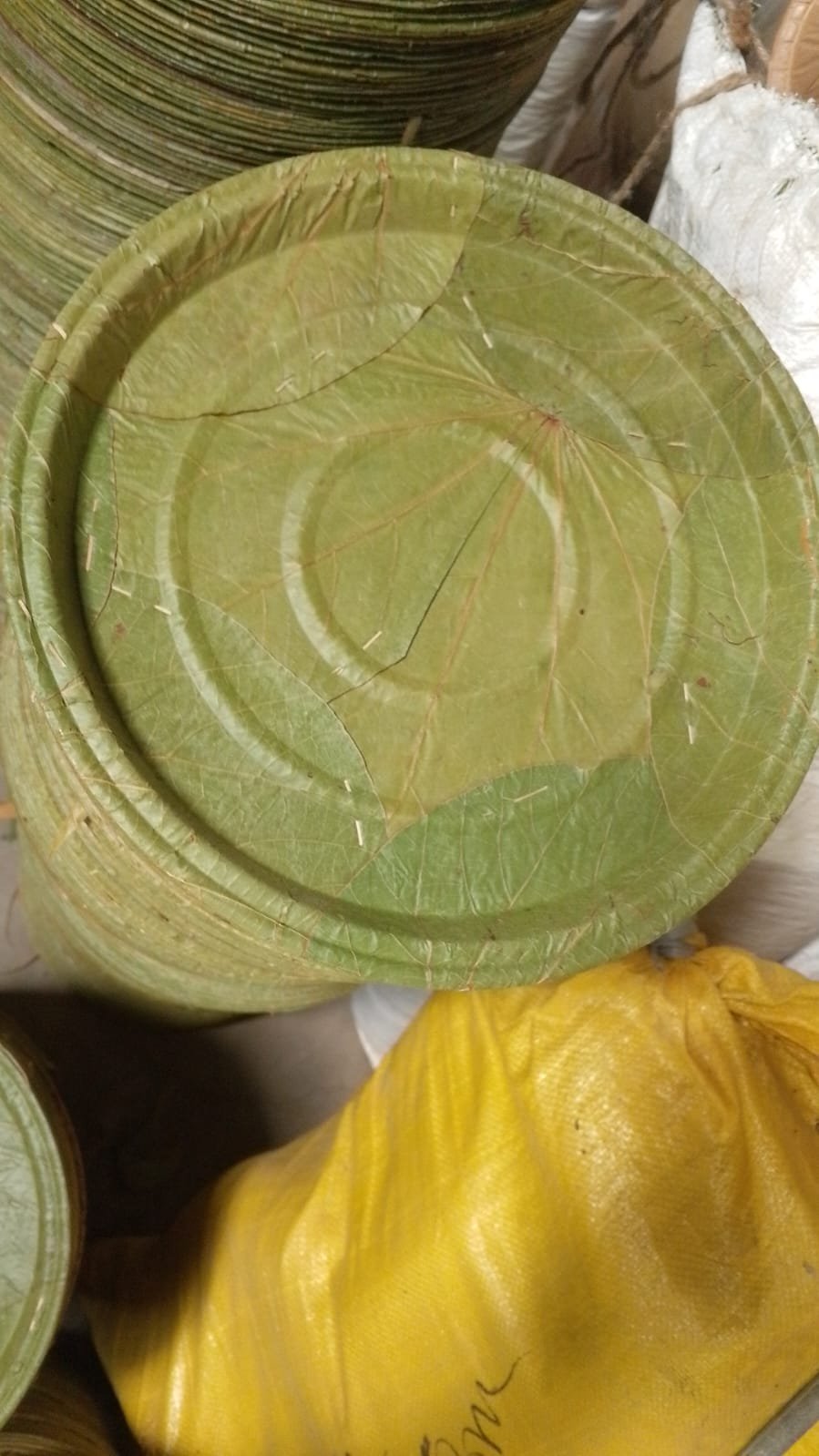
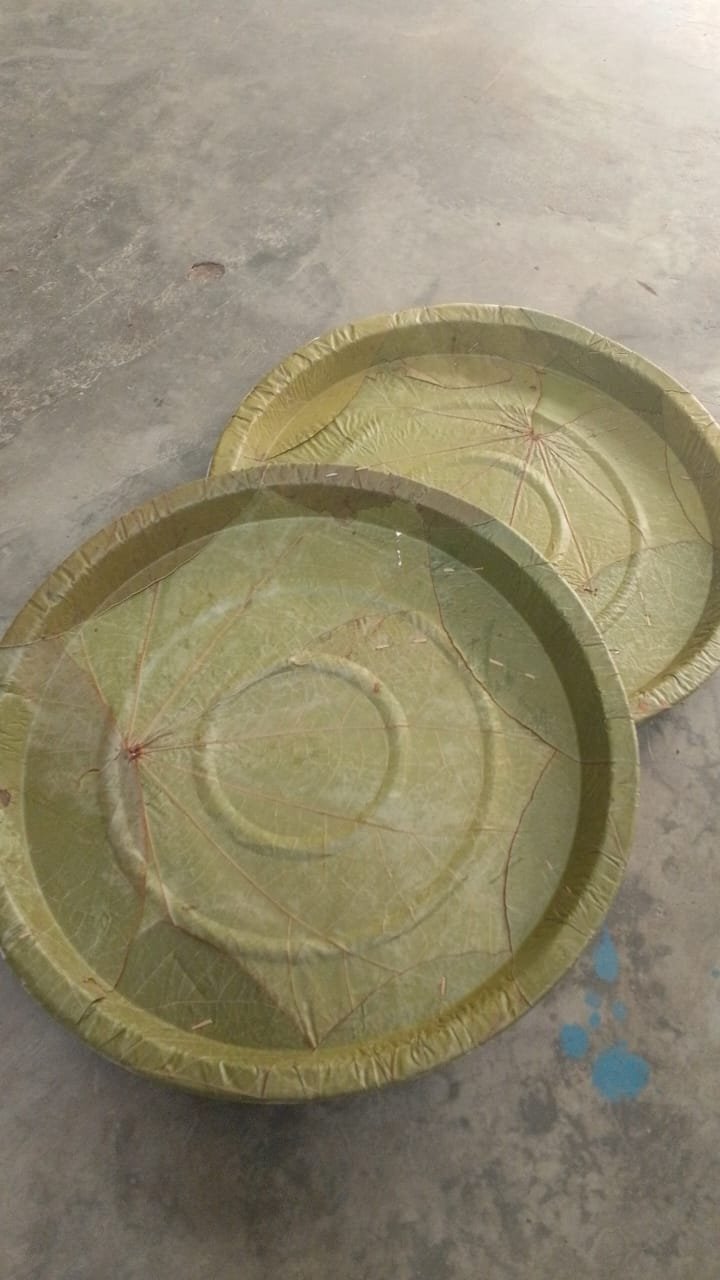
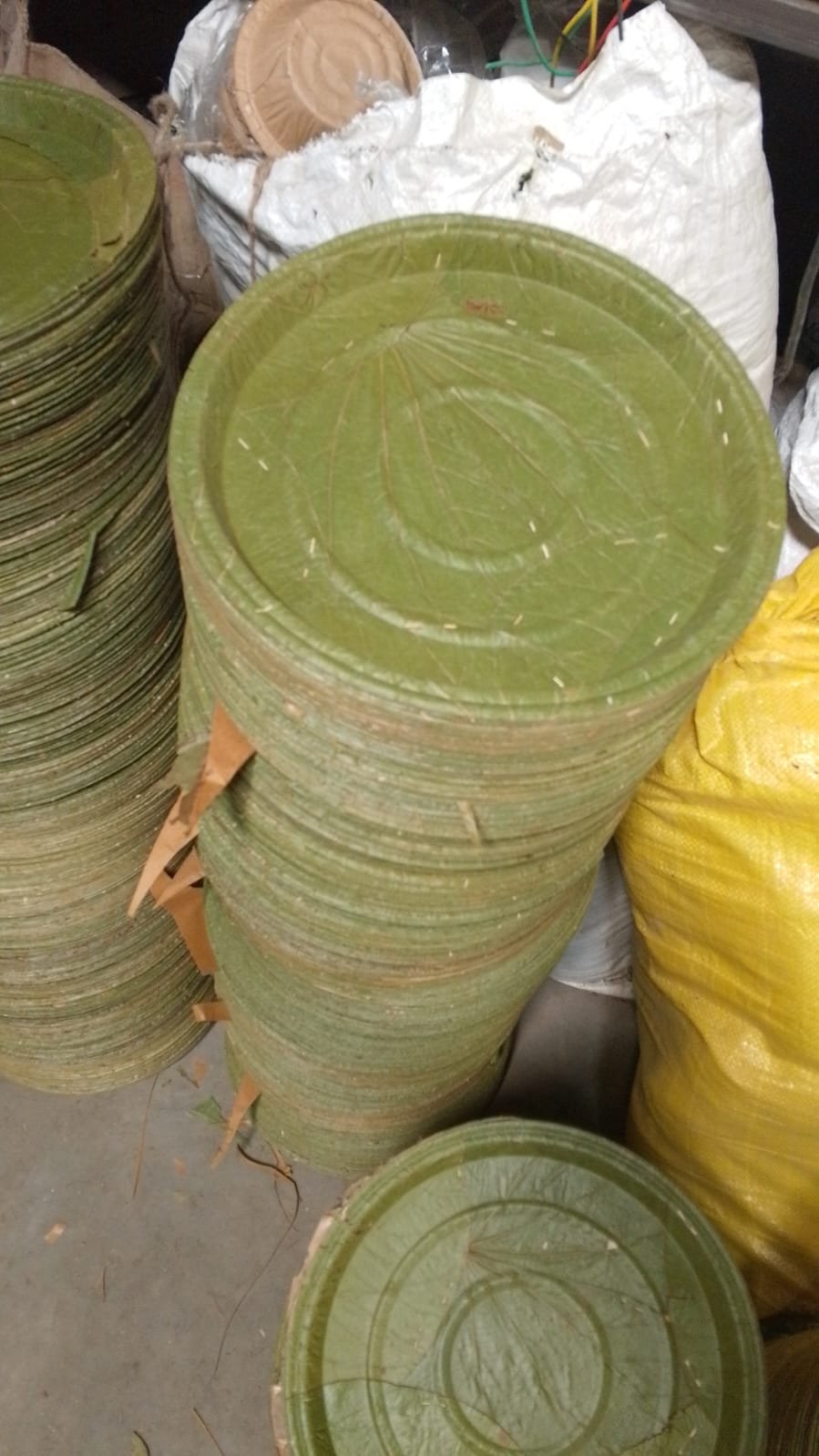
Small and large plates (dona & pattal)
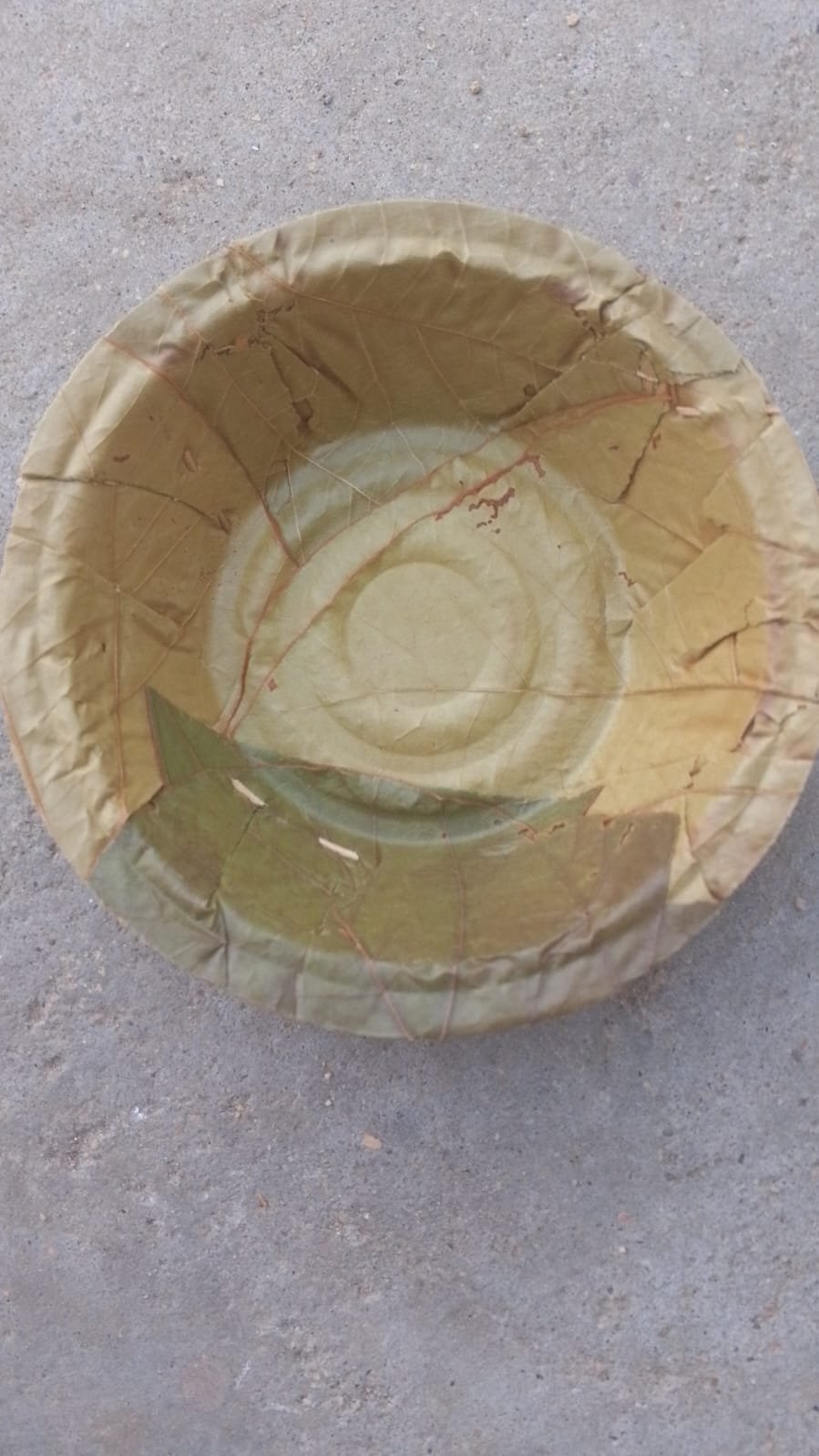
Bowls
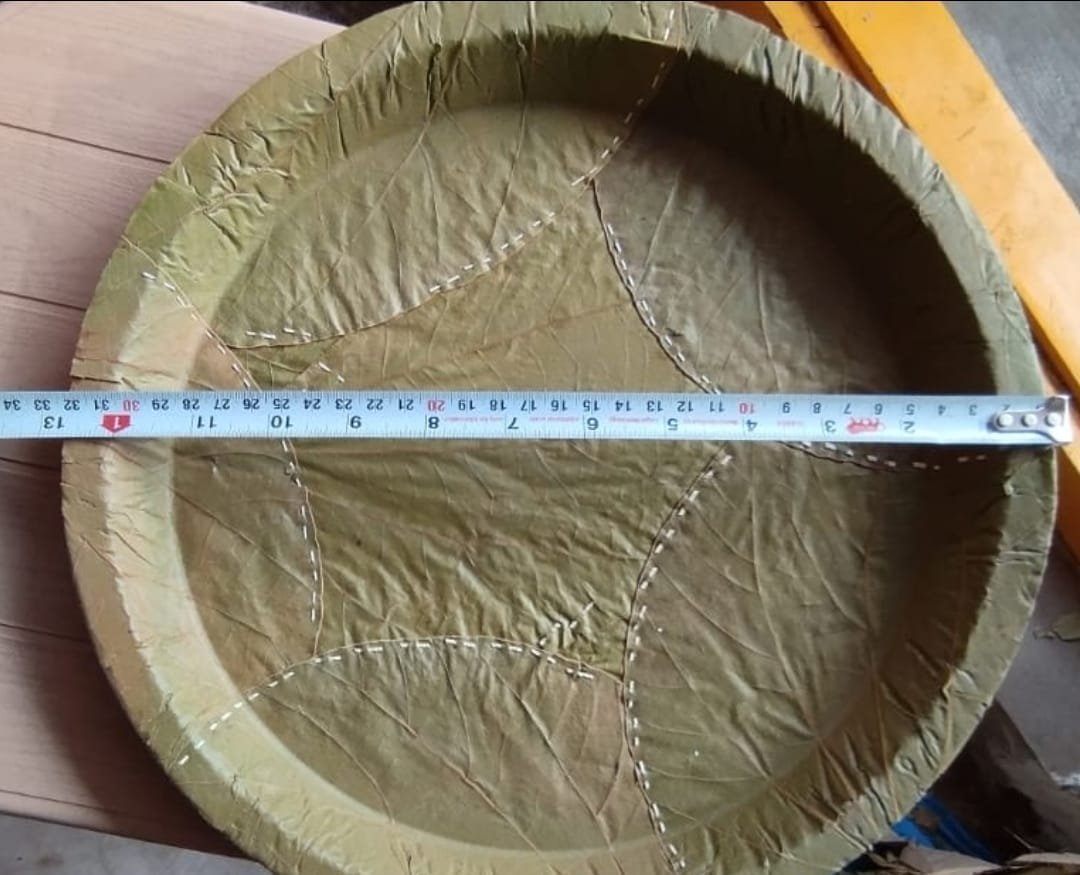
Compartment plates
Description
1. Eco-friendly product Sal leaf plates are completely biodegradable and compostable. They’re a natural alternative to plastic and thermocol plates, which makes them increasingly popular as bans on single-use plastics expand.
2. Low raw material cost Sal leaves are widely available in forest regions of states like Jharkhand, Odisha, and Chhattisgarh. In many cases, local communities collect and supply them at low cost.
3. Simple manufacturing process The process involves cleaning, stitching or pressing leaves, and shaping them using machines. It doesn’t require highly skilled labor, so training is quick.
4. Low investment setup You can start small with manual or semi-automatic machines. Fully automatic machines increase output but aren’t necessary at the beginning.
5. Good market demand Used in:
Street food stalls
Weddings and religious events
Eco-conscious catering services
Demand rises during festivals and large gatherings.
6. Employment generation This business creates jobs for local people, especially women, in leaf collection and plate making.
7. Government support In India, schemes from organizations like Khadi and Village Industries Commission and MSME programs often support such eco-friendly rural industries.
8. High profit margin potential Raw materials are cheap, but finished plates can be sold at a decent margin—especially if you supply bulk buyers or urban eco-stores.
9. Export potential There’s growing international demand for biodegradable tableware, especially in Europe and the U.S.






Share on